SIMPLY FILL OUT THE FORM AND WE’LL SEND a Vinyl panel YOUR WAY
Get a Free SampleThe meat packaging facility design directly impacts food safety, operational compliance, and overhead efficiency. Relentless humidity, high-pressure chemical washdowns, and exposure to organic matter such as blood and grease create a serious challenge. Wall coverings, such as painted drywall, FRP, and ceramic tiles, struggle under these harsh conditions. This is mainly indicated by flaking paint, trapped moisture, and bacterial growth.
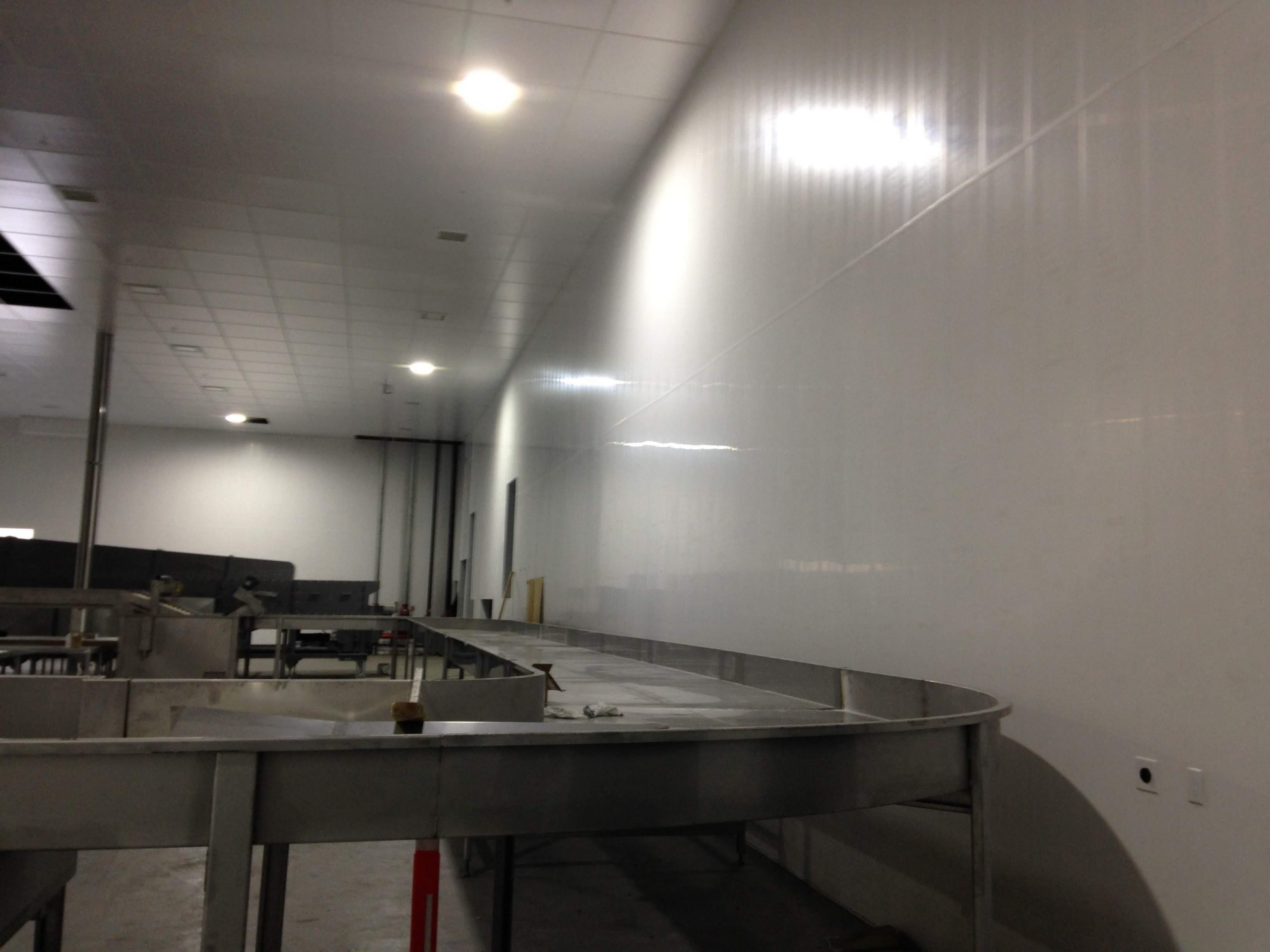
To maintain strict regulatory compliance with the USDA and FDA, facility managers are now turning to PVC panels for walls and ceilings. Engineered for sanitary settings, vinyl wall panels provide an impenetrable barrier that simplifies maintenance and reduces operational downtime.
Meat Packaging Facilities Demand Specialized Wall Surfaces
Meat packaging spaces present a unique combination of structural and biological hazards. Prolonged exposure to these abrasions not only weakens structural resilience but also impacts food quality. Neglecting high-quality wall materials leads to unnecessary repairs, ongoing expenses, and even temporary business shutdowns. Here are several challenges meat packaging facilities face every day-
- Constant Cold And Humidity– Chillers, blast freezers, and cutting rooms operate at near-freezing temperatures while maintaining high-humidity levels.
- Aggressive Sanitation-Thermal washdowns, heavy detergents, and caustic chemical disinfectants corrode unsealed metal, degrade sealants, and strip painted surfaces.
- Thermal Shock– Sudden shifts between cold production schedules and hot-water sanitization cause materials to expand, contract, warp, and peel.
- Strict Regulatory Standards– Food safety standards mandate non-porous surfaces inside meat packaging facilities. This helps prevent organic matter from entering structural walls and breeding pathogens, such as Salmonella or E. coli.
What Are Vinyl Panels? A Modern Sanitary Solution
Vinyl panels, often referred to as polyvinyl chloride, are popular wall-cladding solutions for commercial environments, such as meat packaging facilities. Unlike traditional wall coverings that depend on wooden-backed substrates, vinyl panels feature a solid PVC construction.
These wall materials feature an inner webbed truss design that optimizes structural strength while keeping material light during installation. Credible wall panel suppliers offer vinyl panels designed with a tongue-and-groove interlocking system. This feature helps them lock together tightly to create a seamless surface. They act as an impermeable shield against airborne particulate matter, moisture, and biological cross-contamination.
Benefits of Installing Vinyl Panels In Meat Packaging Facilities
Vinyl wall panels offer several advantages tailored to meet the rigorous demands of meat packaging facilities. Take a look at some of the key advantages of using vinyl panels in meat packaging facilities-
1. 100% Moisture and Corrosion Resistance
Vinyl wall panels are inherently moisture-resistant. Unlike wooden-backed FRP panels, vinyl wall panels do not absorb moisture. These wall materials do not rot, rust, or support mold and mildew growth. Their structural resilience remains intact even when installed in high-humidity blast chillers or exposed to high-pressure washdowns.
2. Hygienic And Non-Porous Surface
The smooth surfaces of PVC wall panels eliminate the microscopic cracks and pores found in concrete, tile grout, or textured plastic surfaces. Without tiny crevices, organic residues don’t build up. This makes cleaning easier with a soft cloth and mild sanitizing solutions.
3. High Resistance to Harsh Chemicals
Daily cleaning routines in meat packaging plants rely on heavy alkaline detergents, acid rinses, and ammonium-based disinfectants. Vinyl wall panels resist chemical degradation, keeping their structure and finish intact through years of chemical exposure. Installing chemical-resistant vinyl panels helps prevent staining, chalking, and warping.
4. Resistance to Mechanical Impacts And Scuffs
Processing rooms experience frequent impacts from steel carts, pallet jacks, and heavy equipment. USA-made PVC panels feature solid-core construction that absorbs physical impacts without denting or cracking, protecting the structural walls and ceilings from harsh impacts and abrasions.
5. Rapid Installation Process
Vinyl wall panels use an interlocking mechanism that lets you install them directly over studs or existing walls without external backers. Installation does not require adhesives, taping, or lamination that could weaken in wet environments. Fast installation reduces downtime during retrofits or new builds.
Primary Applications of Vinyl Panels Within Meat Packaging Plants
Vinyl wall and ceiling panels can be used across multiple zones to meet varying hygiene and physical requirements.
Processing and Cut-Up Lines
Processing walls are splashed with fat, blood, and fluids. Vinyl panels create a smooth vertical surface that lets liquids slide off. This helps prevent organic buildup between cleaning shifts.
Primary and Secondary Packaging Zones
Packaging areas must operate in hygienic spaces to ensure shelf life and prevent post-processing contamination. Trusted vinyl wall panel suppliers, like Duramax, offers hygienic PVC panels that keep away micro-particles from settling onto packaging lines.
Cold Storage Units and Walk-In Freezers
PVC wall panels perform reliably in cold storage and blast-chilling rooms. The material doesn’t shrink or become brittle at sub-zero temperatures. It also doesn’t degrade when rooms are brought up to temperature during maintenance cycles.
Washdown Bays
Washing bays endure the most aggressive cleaning routines. Waterproof vinyl panels withstand continuous high-pressure washdowns without delaminating or separating from wall studs.
Employee Change Rooms and Break Areas
Employee changing rooms and break areas require a robust wall barrier. Installing PVC wall and ceiling systems in hallways, changing areas, and welfare rooms supports high sanitation standards across the building.
Key Considerations for Choosing Vinyl Panels
When choosing PVC panels for a meat processing environment, consider these factors to make an informed decision.
- Fire and Smoke Ratings: Select panels with a Class A Fire Rating (ASTM E84) to comply with industrial building codes.
- Hygienic Certifications: Verify that the panels meet USDA, FDA, and CFIA guidelines for direct food contact and cleanroom compliance.
- Backed by Limited Lifetime Warranty- Make sure to choose vinyl panels that come with a limited lifetime warranty. These panels provide additional assurance that the manufacturer stands behind the product for an extended period. A long warranty period reduces concerns about premature product failure and unexpected replacement costs.
Discover Duramax Vinyl Panels for Transforming Meat Packaging Facility
Duramax is a reliable PVC panel manufacturer in North America. Our vinyl panels are ½ inch thick and 16 inches wide, and can be customized in 8, 10, 12, 14, 16, and 20 ft lengths. We ship vinyl panels to your destination within two weeks. Save 50% on labor and 40% on material expenses with Duramax. Book your free consultation now.
Duramax PVC Panels vs FRP – Key Advantages
No Mold, No Rot: Unlike FRP, Duramax PVC Panels won’t support mold or mildew growth.
Easy Installation: Interlocking design means no backer boards, no glue, and no extra labor.
100% Waterproof: PVC panels are completely water-resistant, ideal for high-moisture areas.
Low Maintenance: No peeling, bubbling, or cracking—just wipe clean with ease.
Cost-Effective Over Time: No need for replacement or repainting like with FRP.
Certified Performance You Can Trust

ASTM Certified: Tested for strength, durability, and environmental performance.
FDA-Compliant: Safe for use in food-processing and sanitary environments.
Class A Fire-Rated: Designed with fire safety as a top priority.

Made in the USA: Quality assured, with faster delivery and dependable service.
Recent Blogs
- How Do Duramax PVC Wall Panels Solve Common Wall Challenges in Bre...
- Know How PVC Wall Panels Make Bathroom Wall Renovation Simple And ...
- Why Are PVC Wall Panels The Drywall Alternatives For Commercial Spa...
- Duramax Moisture-Proof Wall Panels: Non-Porous, Easy To Clean Surfa...
- Why Commercial Auto Repair Shops Are Switching to PVC Garage Wall P...
Place your order – Request for a quote:
Duramax panels are ASTM-certified, FDA-compliant, quality-checked, Class A fire-rated per ASTM E84, and chemical-resistant.
As a trusted wall panel supplier in the USA, Duramax makes it easy to get started. Request a free sample, book a free consultation, or get your quote today.
Have a question? Tell us how we can help.
Sign up for updates and news