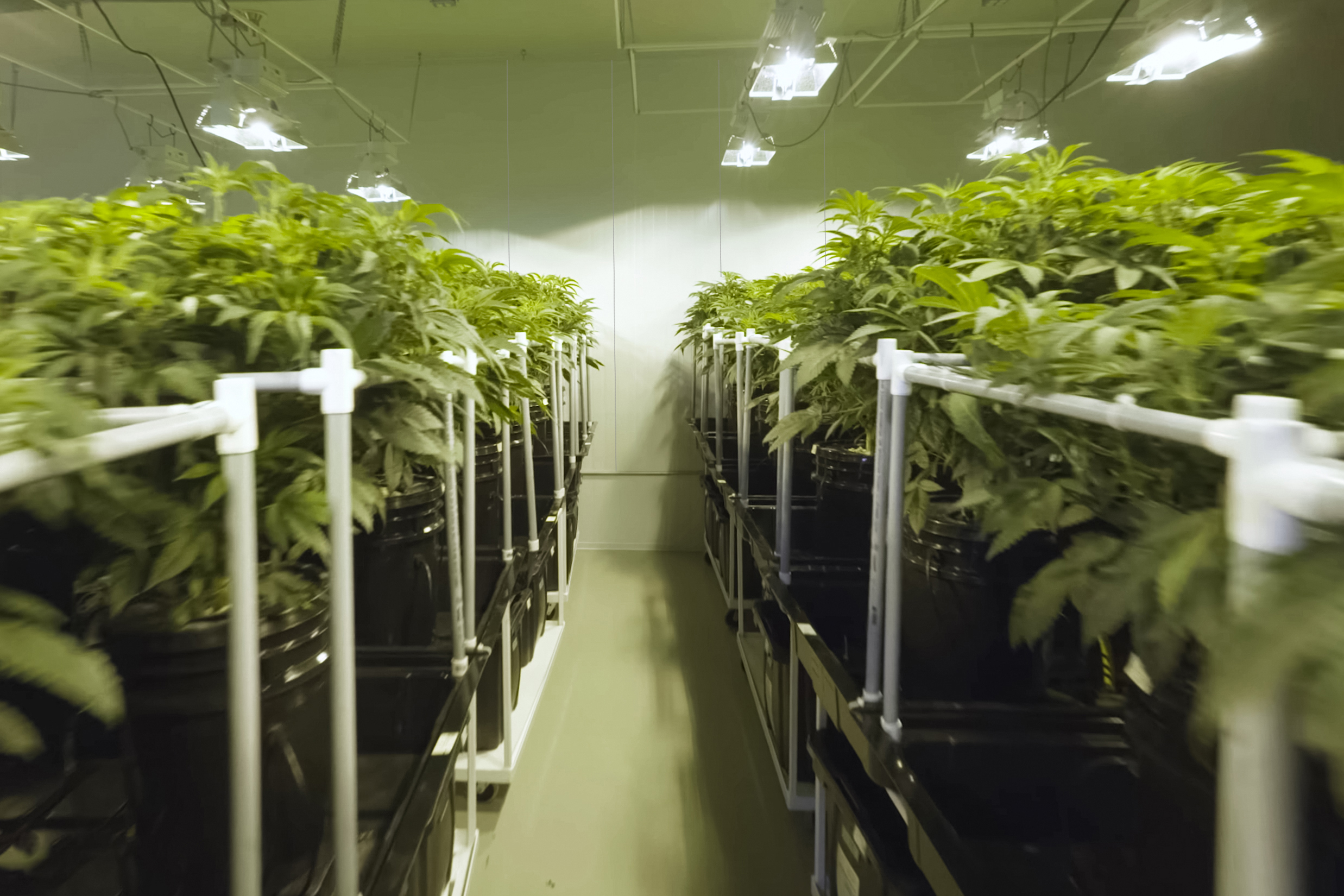
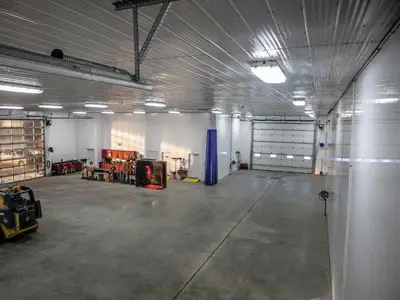
FRP and PVC wall panels are both used in commercial and industrial environments where durable, cleanable wall surfaces are required. Growrooms and indoor cultivation facilities can present additional challenges because of high humidity, irrigation water, condensation, nutrient solution splashes, cleaning chemicals and regular sanitation. This guide compares FRP and PVC wall panels for growrooms, including installation, cleaning, moisture resistance, durability, maintenance and total installed cost, to help facility owners, indoor farmers, contractors and cultivation professionals select an appropriate wall-panel system.
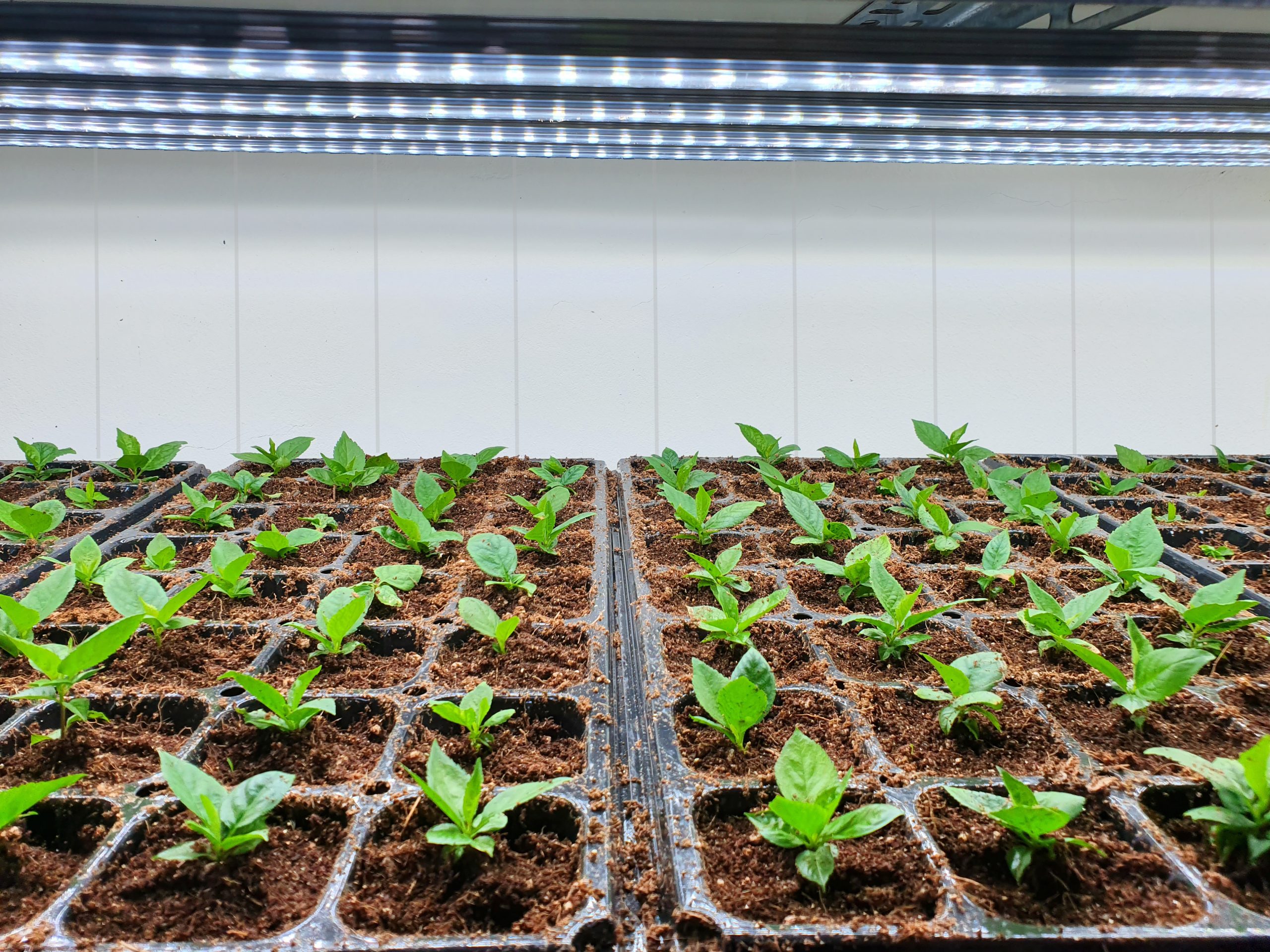
| Feature | FRP Wall Panels | PVC Wall Panels |
|---|---|---|
| Moisture Resistance | Resistant to moisture; performance depends on the complete installed system and backer board | Product-specific; waterproof PVC systems can help prevent moisture penetration through the panel material |
| High-Humidity Environments | Suitable for many commercial interiors when the substrate and seams are properly maintained | Worth evaluating for high-humidity growrooms, depending on product specifications and installation |
| Hygiene & Cleanability | Cleanable surface; textured finishes and trim joints can retain soil or organic residues | Smooth surfaces can facilitate routine cleaning and removal of cultivation residues |
| Chemical Resistance | Resistance varies by resin type, panel thickness and cleaning products | Resistance varies by formulation and the chemicals used during cleaning |
| Nutrient Solution & Soil Residue | Surface texture and seams require careful routine maintenance | Smooth surfaces can make routine removal of nutrient splashes and soil easier |
| Mold & Mildew | Moisture management behind wood or OSB backers remains important | Moisture-resistant performance depends on the panel system, substrate and sealed installation |
| Impact Resistance | Strength and impact durability depend on panel thickness and product construction | Impact performance depends on panel construction and intended commercial application |
| Installation | Typically requires adhesives, trim strips, fasteners and a suitable backer board | Some systems allow direct-to-stud or mechanical fastening with tongue-and-groove interlocking seams |
| Maintenance | Requires routine cleaning and regular seam and caulk inspection | Routine cleaning can be straightforward; joints and perimeter seals still require inspection |
| Long-Term Value | Lower initial panel cost may be offset by substrate, installation and maintenance expenses | Initial material investment may be higher, with potential savings depending on installation labor and maintenance needs |
| Best Applications | Growrooms where traditional FRP is specified and the substrate can be kept in suitable condition | Moisture-prone cultivation areas where the selected PVC system meets cleaning, durability and installation requirements |
FRP stands for Fiberglass-Reinforced Plastic. It is a composite wall panel manufactured by embedding glass fiber strands into a polymer resin matrix, typically polyester or vinyl ester. The result is a lightweight, rigid sheet designed to provide surface protection and impact resistance in commercial and industrial environments.
Construction and Common Utility
FRP panels are widely used across commercial and industrial spaces, including commercial kitchens, restrooms, healthcare facilities, food storage areas and utility rooms. They provide a protective surface over structural walls and are commonly considered where washable wall finishes are required.
Typical Growroom Applications
In growrooms and indoor cultivation environments, FRP panels may be considered for growing rooms, propagation areas, irrigation rooms, equipment spaces and storage areas where washable wall surfaces are needed. Their suitability depends on humidity levels, the cleaning routine, panel specifications and the condition of the supporting wall.
Substrate Requirements
FRP panels are typically thin and flexible, requiring a suitable backing wall such as water-resistant drywall, plywood or OSB, according to the panel manufacturer's instructions.
Adhesive Application
A compatible, moisture-resistant adhesive may be required over the backer board.
Trims & Moldings
Panels are positioned with appropriate expansion gaps and finished with division bars, end caps and corner trims.
Seam Sealing
Joints and transitions must be sealed according to the installation specifications to reduce the risk of water entering behind the panels.
Cleaning and Maintenance Considerations
While FRP surfaces can be washable, textured finishes may retain soil, plant debris, nutrient residues and other contaminants more readily than smoother surfaces. Routine maintenance should include cleaning panel joints and trims and inspecting caulked seams for deterioration that could allow moisture behind the cladding.
PVC (Polyvinyl Chloride) wall panels are extruded wall cladding manufactured from vinyl resins. Commercial PVC wall systems like Duramax PVC Panels feature rigid construction, with product designs that may include a hollow-core webbed structure or solid rigid profiles made from virgin vinyl.
Moisture-Resistant Construction
Waterproof PVC panel materials can help prevent water absorption through the panel itself; the complete installed system must be assessed for joints and penetrations.
Smooth Finish
Smooth surfaces can make it easier to remove soil, nutrient splashes and other residues during routine cleaning.
Interlocking Tongue-and-Groove System
Some systems fasten directly to wall studs or suitable existing wall assemblies without backer board or surface-applied trowel adhesives.
Chemical & Biological Growth Considerations
Performance depends on the panel formulation, cleaning chemicals, moisture management and maintenance practices.
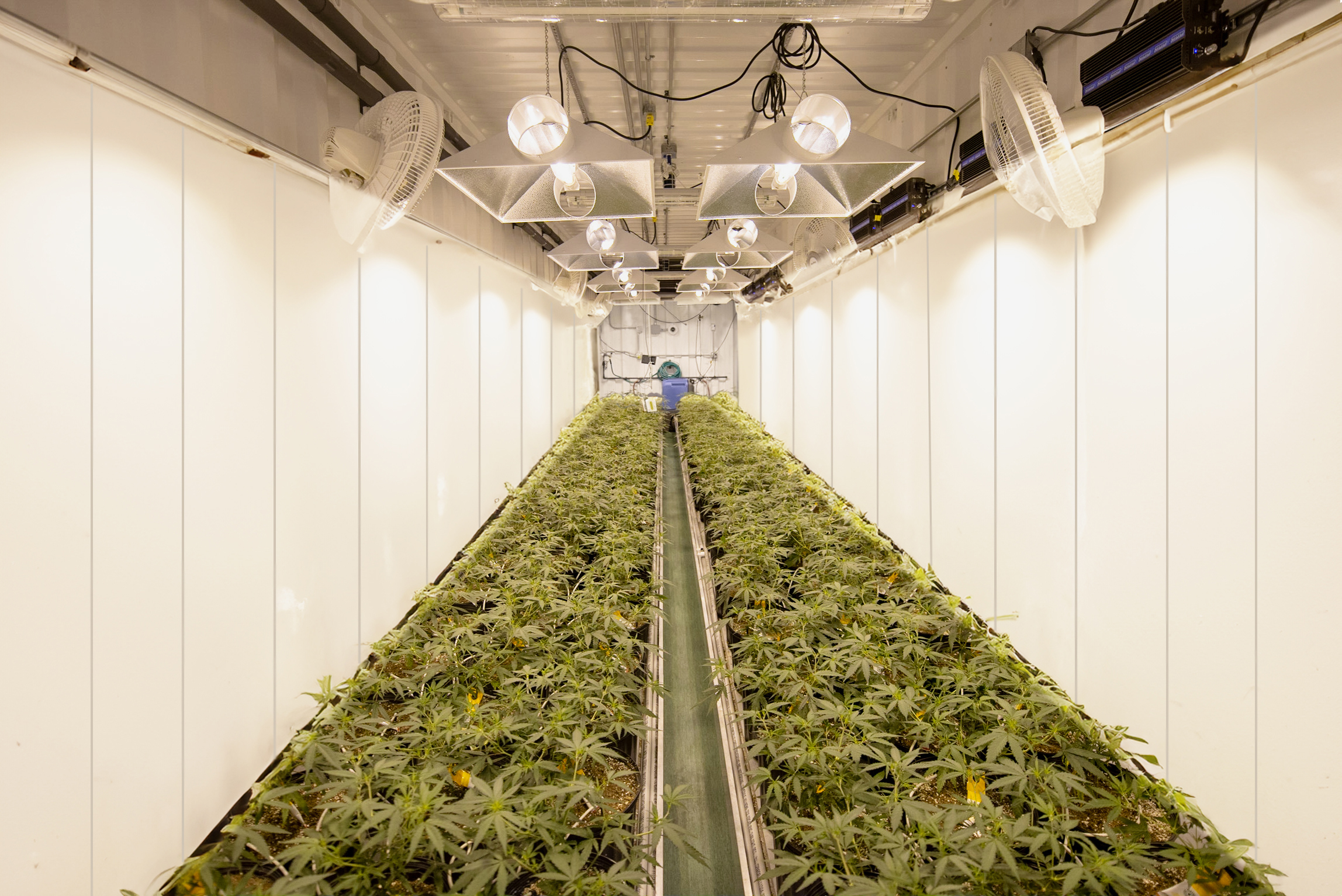
Duramax PVC wall panels can be evaluated for growroom projects where moisture exposure, cleanability and installation efficiency are priorities. Review the official Duramax PVC Product Specifications to determine whether a particular panel system meets the project’s requirements.
Grow Rooms can feature extensive wall areas exposed to high humidity, irrigation splashes, routine cleaning and changing environmental conditions. Efficient installation is important for project timelines, operating schedules and overall construction budgets.
Installing FRP requires careful coordination:
Duramax PVC panels use a mechanical fastening method designed to simplify installation:
| Installation Step | FRP Panels | Duramax PVC Panels |
|---|---|---|
| Backer Board Needed | Typically required, depending on the system | May not be required for approved direct-to-stud installations |
| Adhesive Required | Commonly requires compatible adhesive | Mechanical fastening system; no surface-applied adhesive where the system specifies direct fastening |
| Fastener Visibility | Depends on the adhesive and fastening method | Fasteners can be concealed within the tongue-and-groove fastening lip |
| Cutting Considerations | Fiberglass dust precautions may be necessary | Standard woodworking cutting procedures may be used according to product instructions |
| Cure Time | Adhesive curing may be necessary | No adhesive curing period where direct mechanical fastening is used |
| Labor Requirement | Multiple installation steps may increase labor | Interlocking installation may reduce installation steps and labor |
Because Duramax PVC panels can eliminate the need for backer boards and adhesives in approved installations, they may reduce installation time compared with traditional FRP systems. Actual labor savings depend on wall conditions, room layout, panel specifications and installer experience.
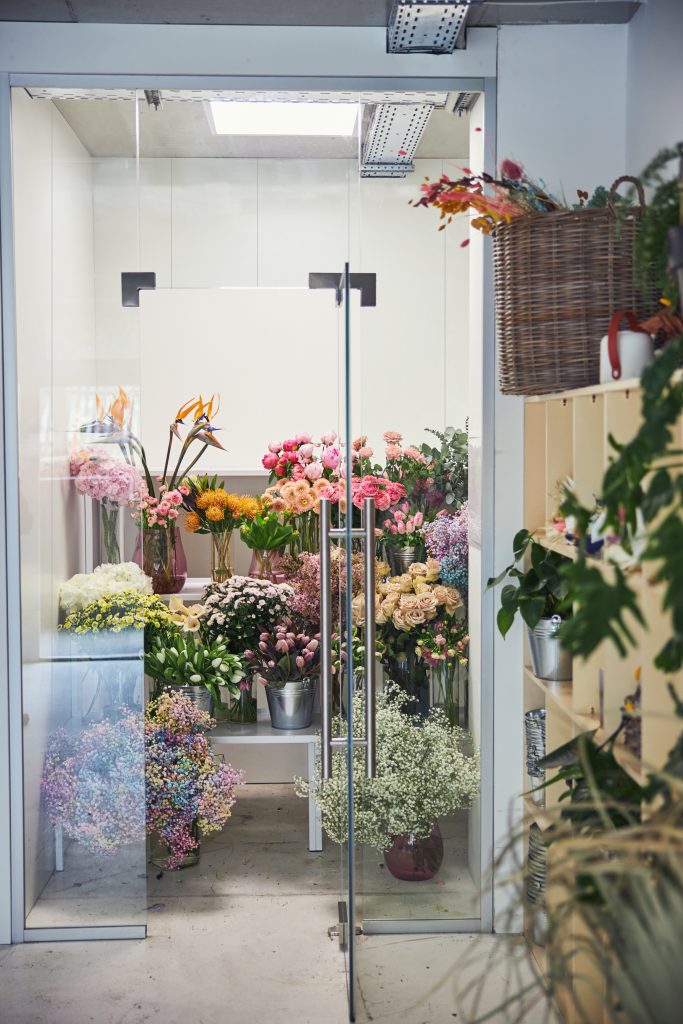
Grow rooms and indoor cultivation facilities expose wall surfaces to irrigation water, nutrient solutions, soil, plant debris, humidity and cleaning products. Some facilities also use disinfectants or other specialized sanitation chemicals between growing cycles.
FRP (Textured Surface)
Textured finishes may retain soil and organic residues, requiring additional attention during cleaning. Trim seams and caulking should be inspected regularly.
PVC (Smooth Surface)
Smooth surfaces can facilitate the removal of soil, nutrient splashes and routine cultivation residues. Cleaning performance depends on the panel finish, joint design and cleaning method.
Surface Smoothness
Traditional FRP may feature a pebble-grain or textured finish. Surface texture can make some residues harder to remove. Smooth PVC panels can simplify routine wiping and washing when used with appropriate cleaning procedures.
Joint Design
FRP installations often use external trim pieces and sealed seams. Interlocking PVC systems can reduce exposed panel-joint detailing, although perimeter transitions, penetrations and seals still require attention.
Sanitation Practices
A cleanable wall surface supports facility maintenance, but the wall panels alone do not guarantee a sanitary growing environment. Cleaning frequency, water quality, ventilation, drainage and approved sanitation procedures remain important.
Grow rooms may maintain elevated humidity to support plant growth. Irrigation systems, hydroponic equipment, misting and temperature differences can also create splashes and condensation on walls.
FRP panels are resistant to moisture, but the performance of the complete installation depends on the backer board, joints and sealants. If moisture enters behind the panels, susceptible substrates may deteriorate over time.
Waterproof PVC panel materials do not absorb water in the same way as many conventional wall substrates. A properly selected and installed PVC system can help reduce moisture-related wall maintenance, but water can still enter through improperly sealed joints, penetrations or transitions.
For both systems, facility owners should consider ventilation, humidity control, drainage and condensation management alongside wall-panel selection. The panel system should be appropriate for the actual moisture exposure and cleaning conditions.
Grow room cleaning and maintenance procedures may involve a range of products, including:
General-purpose detergents used to remove dirt and organic residues.
Nutrient solution residues and mineral deposits from irrigation systems.
Approved disinfectants used between growing cycles.
Acidic or alkaline cleaners used for specific equipment and facility maintenance.
Specialized cleaning products used in hydroponic or controlled-environment agriculture facilities.
Both vinyl formulations and fiberglass resin matrices can offer chemical resistance, but performance depends on the chemical composition, concentration, temperature, contact time and frequency of exposure.
Before selecting FRP or PVC wall panels, review the manufacturer’s chemical compatibility documentation for every cleaner and disinfectant used in the growroom. Duramax PVC panels should be evaluated against the facility’s actual cleaning protocol to confirm suitability and help avoid staining, discoloration or surface degradation.
FRP System:
FRP can provide durable wall protection, but worn caulk or damaged joints may allow moisture to reach the substrate and increase the risk of deterioration.
Duramax PVC System:
PVC panels can provide a moisture-resistant wall surface. Long-term performance depends on the product design, installation quality, operating conditions and maintenance.
Impact Resistance:
Both FRP and PVC systems should be evaluated for impacts from carts, growing equipment, containers and routine personnel movement.
Scratching & Staining:
Surface appearance and resistance to scratches or staining vary by product. Confirm the selected panel's performance for the expected traffic and cleaning conditions.
Long-Term Joint Maintenance:
FRP systems may require periodic inspection and re-sealing of joints. Interlocking PVC systems can reduce continuous sealant requirements along panel joints, but perimeter seals and penetrations still require inspection.
Evaluating wall-panel systems based solely on sheet material pricing provides an incomplete financial picture. Total cost analysis should account for substrate materials, adhesives, trims, fasteners, labor hours, cleaning requirements and long-term maintenance.
| Expense Category | FRP Panel System | Duramax PVC Wall System |
|---|---|---|
| Raw Panel Cost | Often lower upfront sheet cost, depending on product | May involve a higher upfront material investment, depending on product |
| Substrate / Backer Board | Required when specified by the installation system | May not be required for approved direct-to-stud installations |
| Adhesive / Trowels | Commonly required for traditional adhesive installation | Not required for direct mechanical fastening where specified |
| Fasteners & Trims | Trim moldings, fasteners where required and sealant | Compatible mechanical fasteners, starter profiles and matching trims |
| Labor Hours | Multiple preparation, adhesive and finishing steps | Direct fastening and interlocking may reduce installation steps |
| Maintenance & Repairs | Periodic seam inspection, caulk repair and possible substrate repairs | Routine cleaning and inspection of joints, trims and fasteners |
| Total Lifetime Cost | Depends on material, labor, substrate condition and maintenance | Depends on material, labor savings, maintenance and operating conditions |
Larger growrooms may benefit from installation systems that reduce the number of preparation and finishing steps.
Damaged or moisture-sensitive substrates may require repair or replacement before panel installation. Direct-to-stud systems may reduce the need for additional backer materials when permitted.
Irrigation pipes, electrical services, ventilation equipment and access doors can increase trim, sealing and installation requirements.
Labor costs and contractor availability influence the total installed price of each wall-panel system.
High humidity, frequent cleaning and specialized chemical use may affect the product specification and long-term maintenance budget.
| Installation Factor | FRP Panels | Duramax PVC Panels |
|---|---|---|
| Surface Preparation | Typically requires a suitable, flat backing surface | May mount over open studs or existing wall structures when approved for the product |
| Cutting Tools | Suitable shears or saws; fiberglass dust precautions may be required | Standard woodworking tools may be used according to the installation guide |
| Adhesive Requirements | Commonly requires compatible adhesive | Not required for approved direct mechanical fastening |
| Panel Joining | External division strips or trim moldings | Concealed tongue-and-groove interlock |
| Corner Finishing | Inside and outside corner trim moldings | Matching PVC perimeter and corner trim profiles |
| Seam Treatment | Sealant is applied where required by the system | Interlocking design with perimeter sealant where specified |
| Installation Speed | Multiple preparation and adhesive steps may increase installation time | Direct fastening and interlocking may simplify installation |
| Installer Experience | Requires familiarity with FRP adhesive application and trim systems | Requires familiarity with mechanical fastening, panel interlocking and trim profiles |
| Final Inspection | Inspect adhesive bonds, bubbles, seams and caulk integrity | Inspect fasteners, interlock engagement, perimeter sealing and trim installation |
Grow rooms and controlled-environment agriculture facilities may be subject to building, fire, electrical, occupational safety and crop-specific sanitation requirements. The applicable rules depend on the type of cultivation, facility design and jurisdiction.
| Growroom Area | Key Wall Requirements | System Suitability |
|---|---|---|
| Hydroponic Growing Rooms | Moisture management, cleanability and resistance to irrigation splashes | PVC or FRP depending on exposure, installation and cleaning requirements |
| Vertical Farming Areas | Washable wall surfaces and routine maintenance | Smooth PVC or appropriately specified FRP |
| Propagation Rooms | Cleanable surfaces around seedlings and young plants | FRP or PVC based on humidity and sanitation needs |
| Irrigation & Nutrient Rooms | Resistance to splashes, mineral deposits and cleaning products | Evaluate chemical compatibility and the complete moisture-resistant wall system |
| Harvest & Handling Areas | Durable, cleanable walls and an appropriate sanitation routine | FRP or PVC according to operational and regulatory requirements |
| Climate-Controlled Growrooms | Condensation management and compatibility with temperature conditions | Verify panel specifications, expansion requirements and installation details |
| Dry Storage Areas | Scuff resistance and routine cleanability | FRP cladding or PVC wall panels |
| Equipment & Utility Rooms | Impact resistance, maintenance access and compatibility with cleaning products | Select according to equipment, temperature, moisture and code requirements |
PVC wall panels are worth evaluating when a growroom requires a durable, moisture-resistant wall surface and straightforward routine maintenance. For projects with frequent irrigation splashes, high humidity, regular cleaning or tight installation schedules, an appropriate mechanical-fastening PVC system may offer practical advantages.
The final selection should consider humidity levels, condensation, chemical exposure, impact risks, fire-rating requirements, substrate conditions, local codes and total installed cost. Confirm that the chosen panel system is suitable for the facility’s specific operating conditions.
Duramax panels feature a smooth, non-porous finish that can facilitate routine removal of soil, nutrient splashes and other surface residues. Follow the manufacturer’s cleaning guidance to maintain the panel finish.
Duramax PVC wall panels are manufactured from virgin vinyl. Their moisture-resistant panel construction can help protect wall surfaces in humid environments. Proper joint sealing, drainage and condensation control remain essential to the performance of the complete installation.
Where approved for the project, Duramax panels can be installed directly to studs or ceiling joists using concealed fasteners. This can eliminate the need for OSB backer board and surface-applied adhesive, reducing installation steps.
Duramax panels feature an internal webbed truss structure designed to provide rigid wall protection. Select the appropriate panel and installation system based on the expected impacts from growing equipment, carts and everyday facility operations.
Duramax provides factory-direct ordering across the United States, with project support to help commercial buyers evaluate panel quantities, installation needs and shipping requirements.
Fast sample dispatch
Custom panel length options to help reduce project waste
Dedicated project specialists for material estimatesExplore full product specifications on the official Duramax PVC Wall Panels website.
There is no single wall-panel material that is automatically right for every grow room. FRP and PVC systems should be evaluated based on the facility’s humidity levels, irrigation exposure, cleaning procedures, chemical use, temperature conditions, installation requirements, fire-rating requirements, applicable regulations and total installed cost. For projects where a PVC system meets these requirements, Duramax PVC panels can be evaluated as an alternative to traditional FRP.
PVC wall panels may be suitable for grow rooms where moisture resistance and cleanability are important. Confirm the panel specifications, installation details, fire-rating requirements and compatibility with the facility’s cleaning products before selecting a system.
Yes. FRP panels are used in many commercial interiors and may be appropriate for grow rooms. However, the backing material, adhesives, seams and sealants must be suitable for the humidity and moisture exposure in the room.
The answer depends on the panel product and the complete installation. PVC panels designed for moisture-prone environments may be worth evaluating, particularly when the installation can avoid moisture-sensitive backer board. Ventilation, condensation control and correct joint sealing are also important.
Chemical resistance varies by PVC formulation and by the concentration, temperature and exposure duration of each product. Check the manufacturer’s chemical compatibility documentation for nutrient solutions, detergents, disinfectants and other cleaning products used in the facility.
Waterproof or moisture-resistant wall systems can be beneficial in areas exposed to irrigation splashes, humidity and frequent cleaning. The required level of protection depends on the room’s design and operations. Proper drainage, ventilation, condensation control and sealed penetrations remain important.
Basic FRP sheets may have a lower upfront material cost. However, total installed cost also includes backer board, adhesives, trims, labor and future maintenance. PVC systems may reduce some installation steps when approved for direct mechanical fastening, but project-specific estimates are needed to determine the more economical option.
PVC may be an alternative to FRP where the selected product meets the project’s moisture, chemical, impact, fire-rating and code requirements. Confirm the installation specifications and local regulations before substituting one system for another.
For approved Duramax installations, panels use a concealed fastening lip secured to the supporting structure with appropriate fasteners. Adjacent panels interlock through a tongue-and-groove joint. Follow the product installation guide for framing, fastening, expansion gaps, trims and perimeter sealing.
Use the cleaning methods and products approved by the panel manufacturer. Routine maintenance may include wiping or washing the surface with a compatible detergent and water. Verify chemical compatibility before using disinfectants, concentrated cleaners or specialized cultivation chemicals.
Key factors include humidity, irrigation splash exposure, condensation, cleaning frequency, chemical compatibility, impact resistance, fire-rating requirements, installation methods, substrate conditions and total installed cost. Also consider ventilation and drainage to manage moisture throughout the facility.
Compare your facility requirements with Duramax PVC wall panels and determine whether they are an appropriate alternative to traditional FRP for your growroom, indoor farm or cultivation facility.
"*" indicates required fields