Chat with us, powered by LiveChat

FRP and PVC wall panels are both commonly considered for commercial kitchen environments because they provide durable, cleanable wall surfaces. However, the two systems differ in installation requirements, substrate requirements, moisture performance, maintenance, and overall installed cost. Traditional Fiberglass Reinforced Plastic (FRP) has long been an industry standard, but it relies heavily on adhesive bonding to wall backer boards like drywall or plywood. Polyvinyl Chloride (PVC) wall panels offer a modern, tongue-and-groove alternative that mounts directly to studs, eliminating the need for backer boards and organic adhesives. This guide compares FRP and PVC wall panels specifically for commercial kitchens so contractors, facility managers, and food-service operators can determine which system better fits their project goals.

Commercial Kitchen Wall Panels

FRP vs PVC for Commercial Kitchens at a Glance

Which panel is right for your project? The table below highlights key performance and operational differences between traditional FRP and PVC wall panels.

Feature FRP Wall Panels PVC Wall Panels
Water & Moisture Resistance Water-resistant surface, but performance depends on seam seals, adhesive integrity, and backer board exposure. 100% waterproof, non-porous construction; does not absorb water or rot.
Hygiene & Cleanability Textured surfaces and trim joints can trap grease and dirt, requiring intensive scrubbing. Smooth, non-porous surface wipes down easily; designed for frequent washdowns.
Mold & Mildew Resistance Trapped moisture behind panels can degrade OSB/drywall substrates, fostering hidden mold growth. Highly resistant; smooth surface lacks organic nutrients and prevents moisture penetration to studs.
Chemical Resistance Good resistance to standard cleansers, though harsh chemicals can degrade surface resins over time. Excellent resistance to common commercial kitchen degreasers, sanitizers, and acid/alkali cleansers.
Impact Resistance Rigid and durable, but thin profile can crack or chip under hard impacts if substrate gives way. Durable, hollow-core structure absorbs impacts from carts and kitchen equipment without cracking.
Installation System Glue-down application requiring full drywall/plywood backer board and manual troweled adhesive. Direct-to-stud, tongue-and-groove interlocking system using concealed mechanical fasteners.
Installation Time Multi-step process (backer installation, adhesive curing, rivet/trim installation) increases labor hours. Up to 50% faster installation; no backer board, glue curing, or second installer required.
Maintenance Requires ongoing monitoring of trim moldings, sealant seams, and delaminating adhesive pockets. Low maintenance; non-porous surface stays bright without trim repairs or adhesive failures.
Appearance Over Time Textured grooves can discolor from accumulated grease; trims may separate or pop out over time. Clean, bright semi-gloss finish appearance resists yellowing, staining, and surface degradation.
Wall Protection Protects backing walls from direct contact, provided seams remain fully sealed. Structural wall protection barrier resistant to moisture, steam, chemicals, and daily commercial wear.
Best Applications Dry commercial utility rooms, controlled environments, or projects pre-specified for FRP. Commercial kitchens, dishwashing stations, walk-in coolers, food processing, and high-moisture washdowns.
Long-Term Value Lower initial panel material cost, but higher total installed cost and lifecycle maintenance risk. Higher initial material value offset by reduced labor/materials during installation and zero backer replacement risks.

get a free sample

What Are FRP Wall Panels?

Fiberglass Reinforced Plastic (FRP) panels are composite sheet materials manufactured by blending thermosetting polyester resin with chopped glass fibers. The resulting thin sheet (typically 0.090 inches thick) features a textured "embossed" pebbled finish or a smooth surface layer.

FRP became popular in commercial construction decades ago as a protective wall covering that surpassed painted drywall in durability and water resistance. It is commonly used in commercial kitchens, public restrooms, and utility closets.

Substrate and Installation Requirements

Because FRP panels are thin, flexible sheets, they possess minimal structural rigidity on their own. They must be glued to a solid substrate such as water-resistant drywall, greenboard, or plywood.

Installing FRP Involves:

  • Pre-installing a flat wall substrate.
  • Applying full-coverage troweled adhesive to the back of each sheet.
  • Pressing the panel onto the wall and rolling it to remove air pockets.
  • Securing panels with drive rivets (in many specifications).
  • Installing plastic division bars (H-moldings), inside/outside corner trims, and applying silicone sealant at all seams.

If moisture bypasses the seams or joints, the underlying adhesive can fail, leading to panel delamination and moisture damage to the wooden or paper-backed substrate behind it.

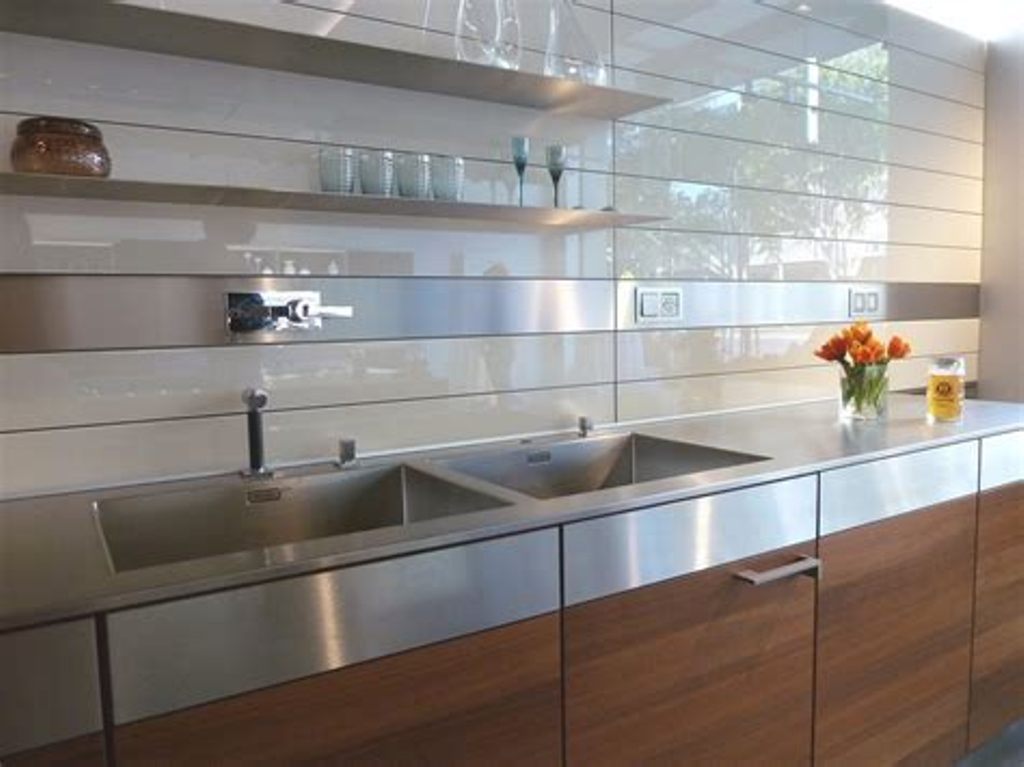
FRP Wall Panels

What Are PVC Wall Panels?

Polyvinyl Chloride (PVC) wall panels are rigid, extruded thermoplastic panels engineered specifically for high-moisture, demanding commercial environments. Unlike thin composite sheets, commercial-grade PVC panels feature a hollow-core, webbed internal structure (typically 1/2-inch thick) that provides built-in structural strength and impact absorption while remaining lightweight.

Products like Duramax PVC Wall Panels are engineered to attach directly to wall studs or ceiling joists using concealed mechanical fasteners along a built-in fastening flange.

Key Characteristics of Duramax PVC Panels:

  • Interlocking Edges: Designed with a seamless tongue-and-groove system that hides fasteners and creates a continuous, water-resistant surface without heavy vertical trim strips.
  • 100% Waterproof Construction: Contains no wood, paper, or organic fillers. Moisture cannot degrade the panel, swell the core, or break down an adhesive layer.
  • Hygienic Finish: A smooth, bright white surface engineered to bounce ambient light through the kitchen while eliminating the textured grooves where food particles and grease settle.
  • Class A Fire Rating: Meets strict commercial building codes and sanitation regulations (USDA and FDA requirements for direct food contact areas).
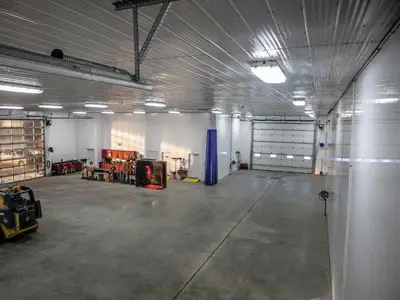
PVC Wall Panels

FRP vs PVC: Installation in Commercial Kitchens

Installation efficiency plays a massive role in project scheduling and labor expense, especially during commercial restaurant retrofits or tight build-out windows.

FRP Installation Process

Installing FRP requires a meticulously prepped, smooth substrate.

  • Substrate & Prep: Contractors must install and finish backer boards before FRP can be applied. Walls must be completely clean, dry, and flat.
  • Adhesive Application: A specialized solvent-free or water-based FRP adhesive is applied using a trowel across 100% of the wall backer surface.
  • Fasteners & Trims: Panels are placed on the adhesive, rolled flat, and often pinned with plastic expansion rivets. Every joint requires heavy trim strips (H-channels) filled with silicone sealant.
  • Curing & Labor: The room must be kept at controlled temperatures while the glue cures. The process usually requires a two-person team to handle large, wet-glued sheets smoothly.

PVC Installation Process (Duramax)

PVC panel installation cuts out middle-tier structural layers and messy chemical adhesives:

  • Direct Fastening: Duramax panels install directly onto exposed studs, wood furring strips, or existing sound wall surfaces. No drywall or plywood backing board is necessary.
  • Interlocking Joinery: One side of the panel features a tongue; the other features a groove with a pre-punched mounting flange. Screws are driven through the flange into the framing. The tongue of the next panel slides over the flange, completely concealing the mechanical fasteners.
  • Trims & Corner Profiles: Minimal trim pieces (1-piece J-trims, perimeter moldings, and top caps) snap easily into place to trim edges and corners cleanly.

Installation Factor Comparison

Installation Factor FRP Wall Panels PVC Wall Panels
Surface Preparation High: Requires flat, complete backer wall (drywall/OSB). Low: Mounts directly to studs, open framing, or existing walls.
Cutting & Material Prep Harder: Cutting fiberglass releases glass dust (requires PPE/respirators). Easier: Cuts cleanly with standard circular saw or hand tools; no glass dust.
Adhesive Requirements Mandatory: Requires full-coverage troweled adhesive. None: Completely adhesive-free mechanical installation.
Panel Joining External trim channels (H-divider strips) and silicone paste. Integrated tongue-and-groove interlocking system.
Corners & Trim Multi-part trim moldings required at every seam and corner. One-piece perimeter J-trims and matching corner profiles.
Installation Speed Slower: Extended multi-step process + adhesive cure time. Up to 50% faster: One installer can mount panels rapidly.
Dust & Safety Irritating glass fiber dust generated during cutting. Clean thermoplastic shavings; safer indoor air during cutting.
Repair & Replacement Difficult: Glued sheet must be peeled off, damaging drywall beneath. Simple: Interlocking panels can be unscrewed and replaced individually.

get a free sample

Cleaning & Hygiene in Commercial Kitchens

Commercial kitchens face strict safety inspections. Wall surfaces are exposed to hot grease splatters, airborne oils, food residues, high-temperature steam, and harsh cleaning chemicals daily.

Surface Texture & Sanitation

  • FRP Panels: Most standard FRP sheets feature a pebble-embossed texture designed to hide minor scuffs. However, in a kitchen setting, these microscopic valleys collect airborne grease, aerosolized oils, and food splatter. Over time, scrubbing these textured grooves requires significant labor and aggressive brushing.
  • PVC Panels: Duramax PVC panels feature a smooth, non-porous finish. Liquids, oils, and organic residues sit on the surface without penetrating the material. Kitchen staff can wipe down walls using standard microfiber cloths, squeegees, or high-pressure sprayers.

Seams and Trim Lines

The primary hygiene risk in commercial kitchen wall coverings is the vertical seam between panels:

  • FRP: Relies on exposed plastic H-divider trims held together with silicone sealant. Over time, heat expansion, harsh cleaning chemicals, and mechanical scrubbing degrade the silicone sealant. Moisture and organic debris enter behind the trim, creating invisible breeding grounds for mold and bacteria behind the wall.
  • PVC: Interlocking tongue-and-groove joints form a tight connection that sheds water directly down the wall face, eliminating the deep channels where grease accumulates.

Chemical Resistance

Both materials offer resistance to basic detergents. However, Duramax PVC panels are inert to a wide spectrum of commercial sanitation chemicals, including quaternary ammonium compounds, chlorine bleach mixtures, acid-based degreasers, and direct high-temperature hot-water washdowns without surface breakdown or clouding.

get a free sample

Moisture & Water Resistance

Moisture intrusion is the primary cause of wall failure in commercial dishwashing areas, prep lines, and walk-in coolers.

The Substrate Vulnerability of FRP

While the FRP sheet itself is waterproof, the FRP system is only as water-resistant as its installation adhesive and substrate backing.

  • High humidity or water vapor behind the panel can weaken water-based FRP glues.
  • If water enters through a damaged silicone joint, it gets absorbed by the drywall or OSB backing.
  • The trapped moisture cannot evaporate through the front fiberglass layer, creating hidden wall rot, mold growth, structural failure, and potential health code violations.

The Structural Waterproofing of PVC

  • PVC wall panels are completely non-hygroscopic; they absorb 0.0% water.
  • Because they do not require drywall or plywood backings, there is no organic substrate behind the wall to absorb moisture or foster fungal growth.
  • Steam, condensation, and direct pressure-washing water flow over the panel face without affecting structural integrity.
  • Duramax PVC panels are immune to rust, rot, water staining, and surface warping in wet processing zones.

Durability & Maintenance

Commercial food preparation environments subject walls to daily physical abuse from utility carts, trash cans, high-capacity cookers, and heavy washdown equipment.

Impact and Structural Strength

  • FRP: FRP sheets are thin (0.090 inches). They rely entirely on the backing wall to absorb impacts. If the drywall behind an FRP sheet gets soft from moisture or develops a hollow cavity, an impact from a stainless-steel kitchen cart can easily dent, puncture, or crack the panel.
  • PVC: Duramax PVC panels feature an internal truss/ribbed structure that provides rigid impact absorption. The hollow-core design flexes slightly under impact to disperse force without shattering, denting, or cracking—even in cold storage or high-impact prep zones.

Long-Term Maintenance Requirements

  • FRP Maintenance: Facility managers must regularly inspect silicone seam lines, re-apply deteriorating caulk, re-secure popped division trims, and repair areas where panels have separated from the glue substrate.
  • PVC Maintenance: Requires zero periodic sealants or re-gluing. Cleaning consists of routine washdowns. If an individual panel suffers extreme damage from an accident, it can be un-interlocked and replaced without tearing down large sections of underlying drywall.

FRP vs PVC Cost for Commercial Kitchens

Evaluating wall panel options solely on initial panel purchase price often leads to inaccurate budget projections. The true comparison lies in the Total Installed Cost and long-term lifecycle expense.

VS

Traditional FRP System Expenses:

  • FRP Materials: Lower price per sq. ft. for the raw sheet.
  • Substrate Materials: Cost of moisture-resistant drywall/greenboard or OSB backer panels.
  • Adhesive & Fastener Costs: Troweled FRP adhesive buckets, drive rivets, seam trims, and silicone tubs.
  • Labor Hours: High. Requires wall framing, hanging/taping drywall, applying adhesive, mounting sheets, driving rivets, fitting moldings, and applying seam sealants.
  • Cure Time: Delayed access while adhesive sets before washdown or equipment installation.

Duramax PVC Panel System Expenses:

  • PVC Materials: Higher initial price per sq. ft. for the engineered panel.
  • Substrate Materials: $0 (Mounts directly to open studding or existing wall framing).
  • Adhesive Costs: $0 (No adhesive needed).
  • Labor Hours: Reduced by up to 40%–50%. Fast, single-step mechanical installation.
  • Cure Time: Zero downtime. Immediate use upon installation.

Cost Savings Summary

Although raw FRP sheet material can appear cheaper on paper, PVC wall panels often deliver lower total installed costs once you eliminate the price of backer board materials, specialized glues, and extensive labor time. Over a 5- to 10-year period, PVC eliminates recurring expenses associated with seam re-caulking, water-damaged substrate replacement, and deep cleaning labor.

get a free sample

When Should You Choose PVC?

While FRP remains a viable choice for dry utility rooms or facilities bound by legacy specifications that explicitly require standard FRP glue-down construction, PVC wall panels are the superior modern choice for:

  • High-Moisture & Washdown Areas: Dishwashing stations, pot-washing pits, food prep lines, and walk-in refrigeration units.
  • Fast-Track Construction & Renovations: Projects with tight deadlines where avoiding drywall installation and glue curing speeds up occupancy schedules.
  • Hygiene-Critical Food Service Environments: Kitchens requiring smooth, easy-to-sanitize surfaces that pass local health department inspections easily.
  • Facilities Focused on Low Lifecycle Maintenance: Restaurant owners looking to eliminate future repairs related to peeling glue, water-rotted backer boards, and decaying silicone joints.

get a free sample

Why Commercial Kitchens Choose Duramax PVC Panels

Duramax PVC Panels are specifically engineered to solve the chronic failure points associated with traditional commercial wall coverings.

Easy-to-Maintain Surface

The bright white, smooth finish eliminates hard-to-clean textured pockets, allowing staff to sanitize walls quickly with minimal scrubbing.

100% Moisture-Proof Construction

Built from solid, highly durable polyvinyl chloride that never absorbs water, swells, rots, or supports mold growth.

Direct-To-Stud Installation

Built-in fastening flanges allow panels to mount directly onto wood or metal studs, saving time and money on wall substrate materials.

Concealed Interlocking Joints

Form a tight, continuous wall seal without relying on exposed vertical trim channels or heavy silicone caulking.

Code Compliant & Safe

Fully meets USDA and FDA requirements for direct food contact areas and achieves a Class A fire rating for commercial building applications.

Factory-Direct Pricing & Availability

Shipped direct from the manufacturer to streamline delivery schedules and cut distributor markups.

FRP vs PVC: Frequently Asked Questions

Yes. PVC panels offer superior moisture performance, direct-to-stud installation, easier cleaning due to smooth surface finishes, and zero risk of underlying substrate rot, making them better suited for high-moisture kitchen settings.

FRP panels are widely used in commercial kitchens, but they rely heavily on correct installation, proper backer board choice, and intact silicone seam seals. If moisture gets behind the panel, the backing wall can degrade over time.

Yes. Because thin FRP sheets lack structural rigidity, they must be glued directly to a solid wall substrate such as water-resistant drywall, greenboard, or plywood.

PVC panels are easier to clean. They feature a smooth, non-porous finish that wipes down instantly, whereas FRP typically features a textured, pebbled surface that traps grease and food particles in its grooves.

While FRP sheets are cheaper to purchase initially, PVC typically costs less to install overall because it mounts directly to studs without requiring backer board materials, specialized adhesives, or extra installation labor hours.

Yes. PVC panels can be used throughout commercial food preparation zones. For areas directly behind heat sources like open-flame ranges, deep fryers, or high-temperature broilers, install local stainless steel heat shielding according to equipment clearance codes.

Yes. Quality commercial PVC panels, like Duramax PVC, meet FDA and USDA criteria for hygienic wall finishes in food preparation, handling, and processing facilities.

PVC panels can be cleaned using soft cloths, squeegees, or power washers along with standard commercial kitchen degreasers, sanitizing sprays, or mild soap and water solutions.

Traditional FRP systems often require maintenance within 5 to 10 years due to silicone seam decay or adhesive breakdown. High-quality PVC wall panels are engineered to last 20+ years without peeling, yellowing, or structural degradation.

Direct-to-stud interlocking PVC wall panels are widely considered the best modern alternative to FRP because they eliminate the need for adhesives, drywall substrates, and textured surfaces.

Planning a Commercial Kitchen Wall Project?

Compare your project requirements with Duramax PVC Wall Panels to discover how direct-to-stud installation, 100% waterproof construction, and factory-direct supply can save time and long-term maintenance costs on your build-out.

Have a question? Tell us how we can help.

First Name(Required)
Last Name(Required)
Drop files here or
Max. file size: 10 MB.
    This field is for validation purposes and should be left unchanged.

    GET A SAMPLE

    Before You Go!

    Need help choosing the right PVC panels? Leave your details and our product specialist will contact you with the best recommendation.

    "*" indicates required fields

    This field is for validation purposes and should be left unchanged.

    Save & Share Cart
    Your Shopping Cart will be saved and you'll be given a link. You, or anyone with the link, can use it to retrieve your Cart at any time.
    Back Save & Share Cart
    Your Shopping Cart will be saved with Product pictures and information, and Cart Totals. Then send it to yourself, or a friend, with a link to retrieve it at any time.
    Your cart email sent successfully :)