Chat with us, powered by LiveChat

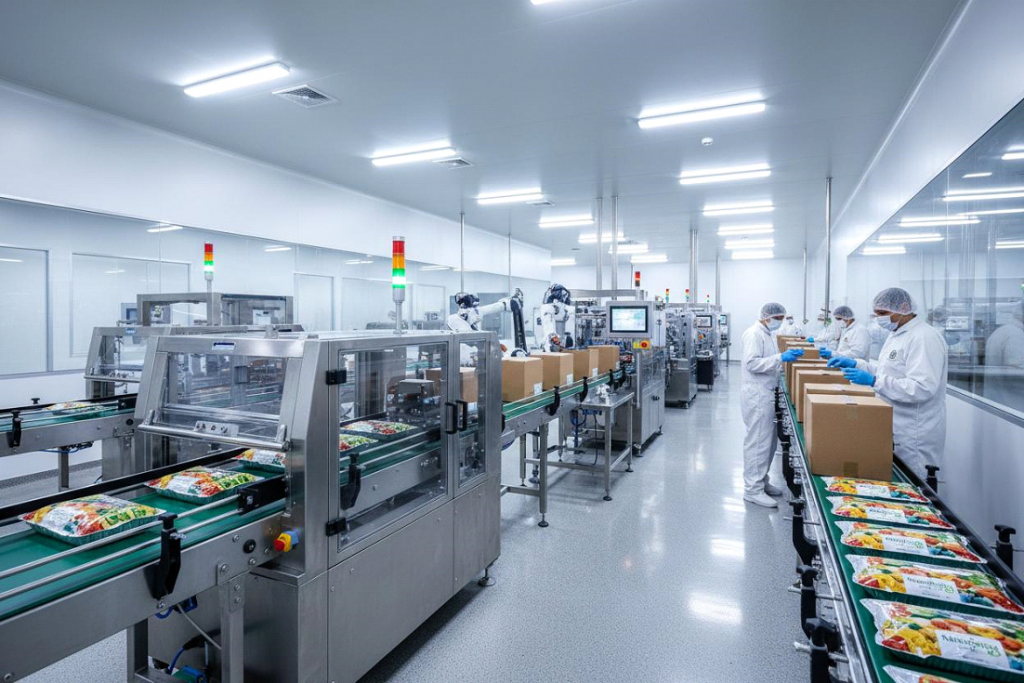
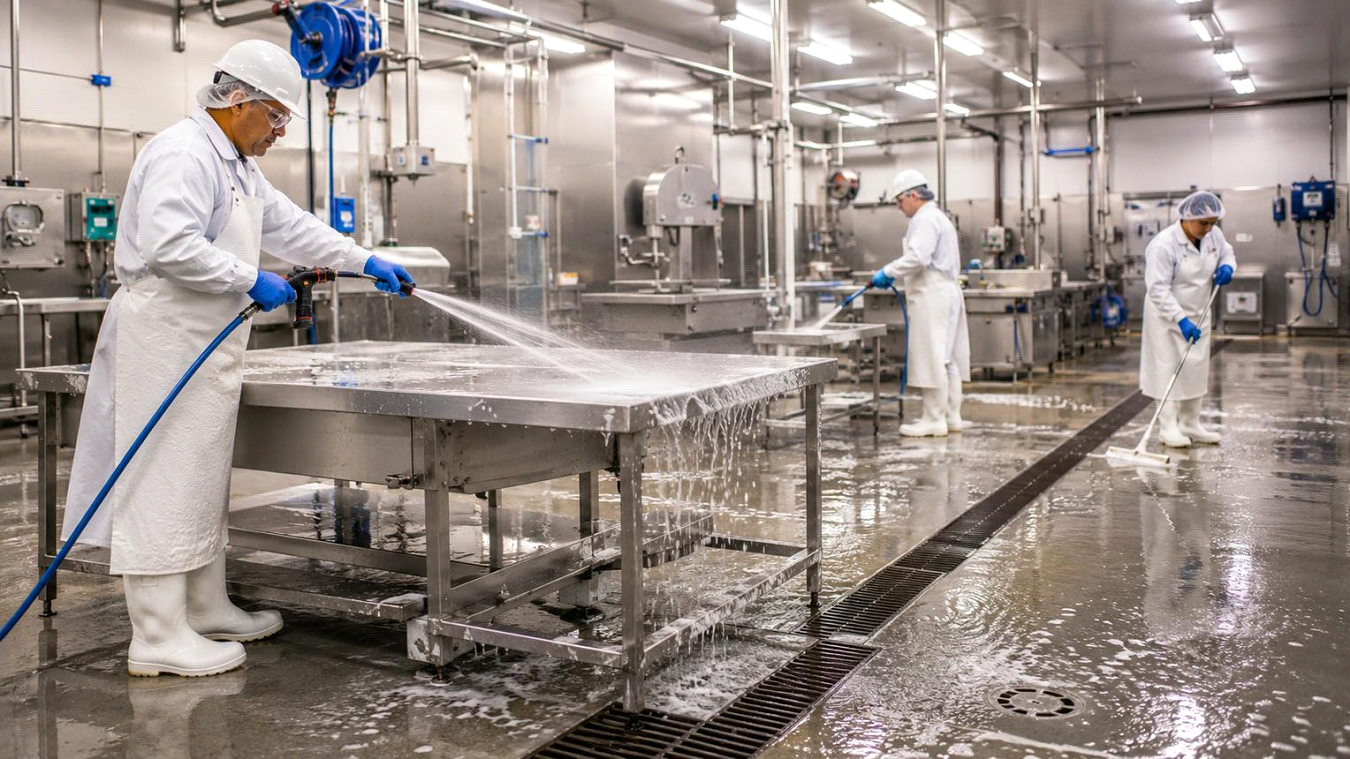
Food processing facilities require wall systems that can withstand frequent cleaning, moisture, food residue, sanitation chemicals and daily operational wear. From meat and poultry processing plants to prepared food production and packaging facilities, wall surfaces must support effective cleaning while meeting project-specific durability, safety and regulatory requirements.

FRP (fiberglass-reinforced plastic) and PVC wall panels are two options for commercial food processing environments. This guide compares their installation requirements, cleanability, washdown performance, chemical resistance, maintenance and total installed cost to help facility owners, contractors and project managers select the right wall-panel system.
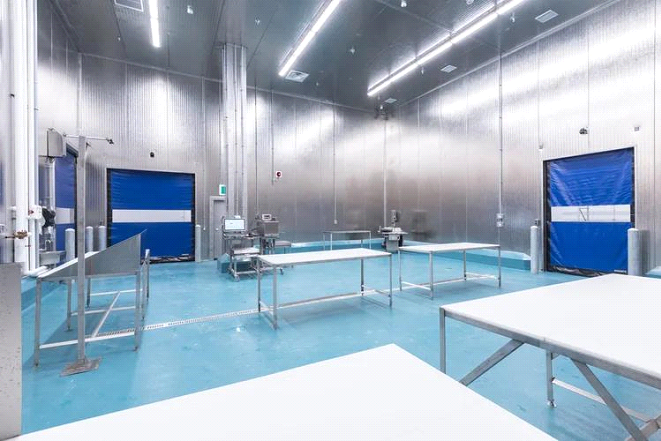
FRP vs PVC Wall Panels for Food Processing Facilities

FRP vs PVC for Food Processing Facilities at a Glance

Feature FRP Wall Panels PVC Wall Panels
Moisture Resistance Water-resistant surface; performance depends on backing and joint sealing Waterproof performance depends on the panel system and installation
Hygiene & Cleanability Surface texture and joints may require detailed cleaning Smooth finishes can simplify routine cleaning
Washdown Areas Commonly used in commercial food environments Suitable for washdown areas when product specifications support the application
Chemical Resistance Depends on resin, thickness and chemical exposure Depends on PVC formulation, chemical concentration and temperature
Installation Typically requires backer board, adhesive and trim Some systems install directly to studs using mechanical fasteners
Seam Maintenance Trim joints and sealants require inspection Interlocking joints can reduce continuous seam caulking, depending on system
Durability Depends on panel thickness, substrate and installation Depends on panel construction and application conditions
Total Installed Cost Include panel, backing, adhesive, trim and labor Include panels, fasteners, trim, labor and any required supporting assemblies
Best Applications Projects where FRP is specified and suitable backing can be maintained Projects prioritizing moisture protection and efficient installation

What Are FRP Wall Panels?

Explain what fiberglass-reinforced plastic panels are, how they are constructed and why they are widely used in commercial and industrial environments.

Suggested subsections

  • Construction and common applications of FRP panels
  • Construction and common applications of FRP panels
  • Typical FRP installation requirements
  • Cleaning, joints and maintenance considerations
FRP Wall Panels

Discuss how the complete installed system—including backer board, adhesive, trims and sealants—affects performance in wet processing environments.

What Are PVC Wall Panels?

Introduce commercial-grade PVC wall panels and their suitability for demanding commercial interiors.

Suggested subsections

  • What are commercial PVC wall panels?
  • Waterproof construction and moisture protection
  • Smooth surfaces and routine cleaning
  • Tongue-and-groove installation systems
  • Chemical compatibility and long-term maintenance
PVC Wall Panels

Introduce Duramax PVC wall panels as an option for facilities looking for factory-direct commercial wall-panel solutions.

Get a Free Sample

FRP vs PVC Installation in Food Processing Facilities

VS

FRP Installation

  • ✓ Prepare and inspect the required backer board.
  • ✓ Measure and cut panels.
  • ✓ Apply the specified adhesive.
  • ✓ Position panels and remove trapped air.
  • ✓ Install trim, corners and joint profiles.
  • ✓ Seal joints and transitions according to specifications.
  • ✓ Allow adhesives and sealants to cure before cleaning or washdown.

PVC Installation

  • ✓ Inspect the wall framing or existing substrate.
  • ✓ Measure and cut panels.
  • ✓ Fasten panels using the specified mechanical fastening method.
  • ✓ Interlock adjacent panels.
  • ✓ Interlock adjacent panels.
  • ✓ Seal penetrations and perimeter transitions as required.
  • ✓ Inspect the finished installation before use.
View Warranty Volume Pricing Request

Cleaning and Hygiene in Food Processing Facilities

This should be one of the most important sections because cleanability is a major consideration for food processing environments.

Suggested subsections

  • Which wall panels are easier to clean: FRP or PVC?
  • Managing food residue, grease and protein deposits
  • How panel texture and seams affect cleaning
  • Designing wall surfaces for routine sanitation
  • Why compatible cleaning procedures matter
Cleaning and Hygiene in Food Processing Facilities

Discuss applications involving meat residue, oils, sauces, dairy ingredients, flour, starches and other food-production materials.
Avoid promising that a wall panel alone prevents bacterial growth or guarantees food safety. Explain that sanitation depends on the complete installation, cleaning protocols and facility practices.

Moisture, Condensation and Washdown Resistance

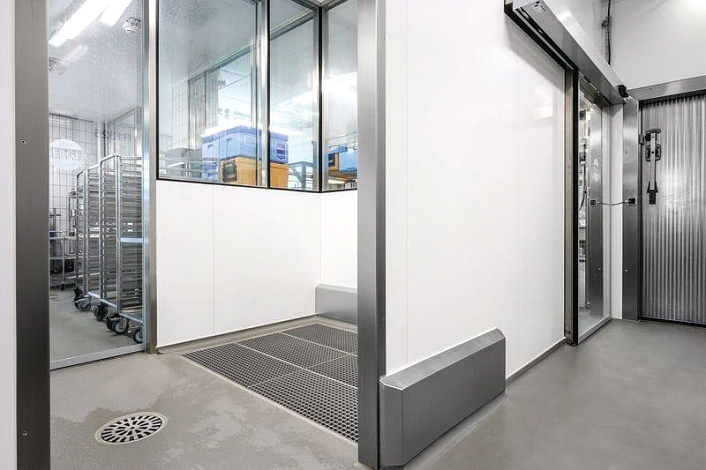
Cover the conditions found in wet production areas, including high humidity, direct water exposure and frequent washdowns.

  • Water penetration at joints and wall penetrations
  • Risks associated with moisture-sensitive backing materials
  • Condensation in temperature-controlled areas
  • Panel expansion and installation requirements
  • Selecting wall systems for high-moisture environments
Food processing wall panels

Explain how a properly specified waterproof PVC panel system may reduce moisture-related risks associated with vulnerable substrates.

Chemical Resistance in Food Processing Facilities

Cover common cleaning and sanitation products used in commercial food facilities.

  • Automotive cleaners and degreasers
  • Detergents and general-purpose cleaning agents
  • Oil and grease splashes
  • Coolants and antifreeze
  • Brake fluid and other automotive fluids
  • Fuel and solvent splashes
  • Road salt and vehicle-cleaning residues

Compare FRP and PVC only where manufacturer documentation supports the comparison. Chemical resistance depends on the formulation, concentration, temperature, exposure duration and contact conditions.
Important content angle: Do not describe FRP or PVC wall panels as universally resistant to gasoline, brake fluid, solvents or all automotive chemicals. Verify compatibility with the specific product manufacturer before recommending either material for areas with potential chemical spills.

food-processing-wall-panels

Durability, Impact Resistance and Maintenance

  • Impact resistance and panel thickness
  • Surface scratches and staining
  • Joint and sealant maintenance
  • Moisture-related substrate damage
  • Replacement and repair considerations
  • Long-term maintenance planning
food

FRP vs PVC Cost for Food Processing Facilities

Target commercial buyers who need to estimate the complete installed cost rather than comparing material prices alone.

Cost Factor FRP System PVC System
Panel material Include specified panel grade Include specified PVC panel grade
Backer board Required where specified May not be required for approved direct-to-stud systems
Adhesive Commonly required Not required for mechanical-fastening systems
Trims and sealants Include all required profiles and sealing Include compatible trims, fasteners and required sealing
Labor Account for substrate preparation and adhesive installation Account for framing preparation and mechanical installation
Maintenance Include joint inspection and repairs Include cleaning and required joint or trim maintenance
Project downtime Account for installation and curing requirements Account for the selected system's installation requirements

What affects the cost of food processing wall panels?

Facility size and wall height

Existing wall conditions

Number of corners, doors and penetrations

Washdown requirements

Installation labor rates

Fire-rating and building-code requirement

Cleaning chemical compatibility

Long-term maintenance expectations

Fire Ratings, Building Codes and Food Safety Considerations

Discuss the importance of checking the complete wall assembly against project requirements.
  • Applicable local building and fire codes
  • Panel fire-test documentation
  • Required fire-rated backing assemblies
  • Food facility sanitation requirements
  • Chemical compatibility documentation
  • Product-specific certifications and approvals

Only state FDA, USDA, NSF or other regulatory compliance where current documentation supports the exact product and intended application. A panel’s material composition alone does not establish compliance for every food processing use.

Where Are FRP and PVC Panels Used in Food Processing Facilities?

Meat and Poultry Processing

Wall surfaces exposed to frequent cleaning, moisture, organic residue and demanding sanitation procedures.

Seafood Processing Plants

Areas where water exposure, salt-containing residues, cleaning procedures and corrosion-resistant supporting components matter.

Prepared Food and Commercial Food Production

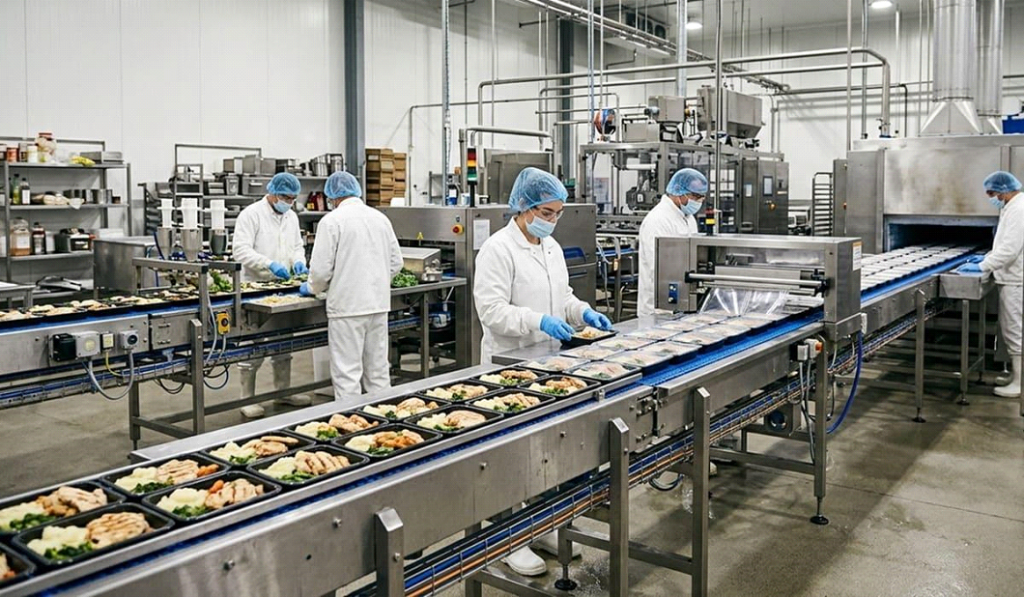
Production rooms handling sauces, oils, ingredients and packaged foods.

Food Packaging Areas

Durable, easy-to-maintain wall finishes around packaging equipment and material-handling zones.

Bakeries and Dry Food Manufacturing

Wall protection in areas exposed to flour, starch, oils, dust and routine cleaning.

Washdown and Sanitation Rooms

Areas requiring careful consideration of water exposure, chemical compatibility, joints and wall transitions.

When Should You Choose PVC Wall Panels for a Food Processing Facility?

  • The facility experiences frequent washdowns.
  • Moisture protection is a major concern.
  • The specified panel system permits direct mechanical installation.
  • Reduced substrate preparation is a project priority.
  • The facility needs durable, cleanable wall surfaces.
  • The system meets fire, chemical and application-specific requirements.

Why Consider Duramax PVC Wall Panels?

01.

Waterproof wall-panel options: Explain the moisture-protection benefits of the relevant Duramax system.

02.

Installation efficiency: Highlight direct-to-stud installation where approved.

03.

Commercial durability: Describe the panel construction and impact performance using product specifications.

04.

Maintenance considerations: Explain how the panel system’s finish and joint design affect routine maintenance.

05.

Factory-direct supply: Highlight Duramax’s manufacturing and ordering model.

06.

Project support: Encourage buyers to request project estimates and discuss application requirements with a specialist.

Planning a Food Processing Facility Wall Project?

Choose wall panels based on your facility's washdown conditions, sanitation requirements, installation needs and long-term maintenance goals. Duramax can help your team evaluate suitable PVC panel options and prepare a project-specific material estimate.

Have a question? Tell us how we can help.

First Name(Required)
Last Name(Required)
Drop files here or
Max. file size: 10 MB.
    This field is for validation purposes and should be left unchanged.

    GET A SAMPLE

    Before You Go!

    Need help choosing the right PVC panels? Leave your details and our product specialist will contact you with the best recommendation.

    "*" indicates required fields

    This field is for validation purposes and should be left unchanged.

    Save & Share Cart
    Your Shopping Cart will be saved and you'll be given a link. You, or anyone with the link, can use it to retrieve your Cart at any time.
    Back Save & Share Cart
    Your Shopping Cart will be saved with Product pictures and information, and Cart Totals. Then send it to yourself, or a friend, with a link to retrieve it at any time.
    Your cart email sent successfully :)