SIMPLY FILL OUT THE FORM AND WE’LL SEND a Vinyl panel YOUR WAY
Get a Free SampleImagine opening your restaurant early in the morning, only to find a damp patch spreading across the kitchen wall. Or picture a warehouse manager discovering that another section of the wall needs repair after months of heavy traffic, cleaning, and everyday wear. These problems might seem small at first. A little peeling paint here or a cracked corner there. But over time, wall repairs become another expense, another maintenance headache, and another interruption to your daily operations. That’s why more commercial property owners are looking beyond vinyl drywall. PVC wall panels are one drywall alternative worth considering in 2026. They offer a washable, moisture-resistant surface that suits almost any commercial or industrial environment.
Why Are Businesses Looking for Drywall Alternatives in 2026?
Drywall has been a familiar choice for decades and works well in many offices and commercial spaces. But problems start when the environment gets demanding. For example, commercial kitchens often face steam and grease exposure and require regular washdowns. Similarly, in a warehouse, daily activity can leave marks and damage, while a commercial restroom faces repeated moisture exposure and frequent cleaning.
In these situations, vinyl-covered drywall needs more upkeep when its paint, paper facing, joints, or protective finish gets damaged. This can lead to higher maintenance and repair costs, making it an expensive choice. That’s where exploring alternatives to drywall becomes a practical decision.
PVC Wall Panels vs. Drywall: What Changes in Everyday Use?
Suppose there are two businesses facing the same problem where their walls need regular cleaning, and the owners are tired of dealing with surface damage. One continues patching, painting, and repairing drywall. The other installs a suitable PVC wall panel system in the areas that take the most abuse. The difference isn’t just how the walls look on opening day but how much attention they demand over the months and years that follow.
Moisture Resistance: Less Worry About Everyday Splashes
Water finds its way through the weakest point in a wall. In a busy kitchen or a restroom, moisture is almost unavoidable. When water reaches damaged drywall or unprotected edges, repairs can become necessary. As drywall absorbs moisture, it rots, becomes damp, and can promote mold growth. In contrast, the non-porous surface of PVC panels does not absorb water like conventional drywall. This makes them a useful option for moisture-prone commercial interiors.
Easier Cleaning: A Wall That Fits Your Routine
Textured or damaged drywall surfaces can make grease, dirt, and residue harder to remove. Smooth PVC wall panels provide a washable surface that can simplify routine cleaning. For commercial kitchens, food preparation areas, and other hygiene-sensitive facilities, this can make everyday maintenance more manageable. Duramax PVC panels also feature an antibacterial coating that supports a broader hygiene strategy.
Installation: Fewer Steps, Less Disruption
Traditional drywall installation generally involves cutting, fastening, joint treatment, sanding, and finishing. The process also involves drying time before the surface is ready for its final finish.
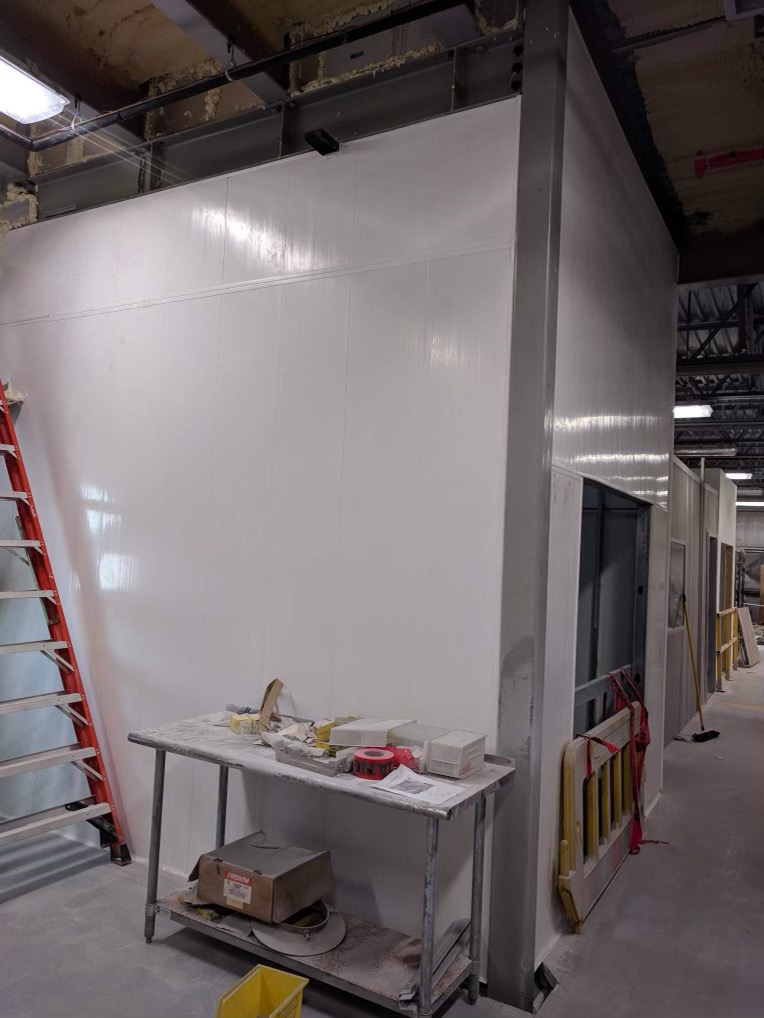
PVC panels are lightweight and feature a tongue-and-groove design. They can be installed directly onto existing wall surfaces with studs and fasteners. Their lightweight construction makes handling easier, while the interlocking edges help create a continuous wall covering and minimize disruption to everyday operations.
Popular Commercial Applications Of PVC Panels
PVC wall panels are now typically considered in facilities like:
- Commercial kitchens: The walls face grease, food splashes, steam, and repeated cleaning. Washable PVC surfaces make routine upkeep easier and faster.
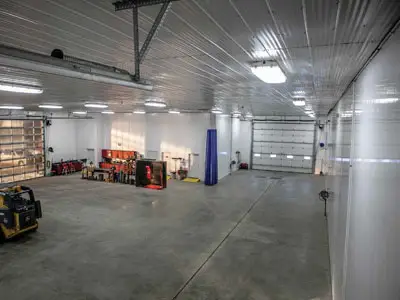
- Warehouses: High-traffic areas need wall protection that can withstand everyday activity. PVC panels have a truss design that disperses impacts and eliminates the risk of dents, cracks, and peeling.
- Commercial restrooms: PVC panels are moisture-resistant and can withstand splashes and frequent cleaning without deteriorating.
- Grow rooms: Humidity and regular sanitation can damage drywall, causing rot and mold. PVC panels are worth considering for controlled growing environments. Their smooth surface also distributes light evenly for a brighter environment.
- Garages and workshops: Oil splashes, dirt, and routine maintenance stain and damage drywall. Washable PVC panels simplify cleanup and are stain-resistant.
Are PVC Wall Panels Cheaper Than Drywall?
This is where things get interesting. Drywall can have a lower initial material cost, making it considerable for projects with tight upfront budgets. Factor in high maintenance, frequent repairs, and replacement needs, and drywall becomes an expensive option. PVC panels may cost more per unit, but they can be an affordable drywall alternative in the long run. Consider the full cost of a wall system:
- Material cost and installation labor expenses
- Time involved in surface preparation and finishing
- Routine cleaning and maintenance requirements
- Repairs and replacement due to damage from moisture and daily wear
- Downtime during renovation and installation
PVC panels also offer long-term savings in environments where their durability and easy-clean surface reduce recurring maintenance.
Why Choose Duramax PVC Panels for Your Commercial Project?
Duramax PVC wall panels are designed for commercial and industrial environments where moisture resistance, cleanability, and durability matter. Here’s what makes them worth exploring:
- Made from 100% virgin vinyl.
- Non-porous, washable surface for easier routine cleaning.
- Tongue-and-groove installation system.
- Available in ½-inch thickness and 16-inch widths, with customizable lengths.
- Can be installed directly onto existing surfaces, following installation requirements.
- Designed for applications where frequent cleaning and moisture exposure are concerns.
Duramax also offers product information, samples, and consultation to help businesses assess whether PVC panels suit their specific project. These panels also meet the strict hygiene standards and are CFIA and FDA-compliant. They also have a class 1 fire rating to ensure safety.
Frequently Asked Questions
1. What is the best alternative to drywall for commercial spaces?
PVC wall panels are worth considering in spaces where moisture resistance, washability, and routine cleaning are priorities, making them the ideal alternative to drywall.
2. Are PVC wall panels better than drywall in wet environments?
PVC panels have a non-porous surface that does not absorb water like conventional drywall.
3. Can PVC wall panels be installed over existing drywall?
Yes, you can install PVC panel systems over existing drywall with studs and fasteners.
Upgrade Your Commercial Walls with Duramax PVC Panels
Tired of dealing with damaged walls, repeated painting, and maintenance interruptions with drywall? Explore lightweight drywall alternatives from Duramax. These PVC wall panels are ideal for your next commercial or industrial project. Get expert guidance, request a free sample, or ask for a quote.
Duramax PVC Panels vs FRP – Key Advantages
No Mold, No Rot: Unlike FRP, Duramax PVC Panels won’t support mold or mildew growth.
Easy Installation: Interlocking design means no backer boards, no glue, and no extra labor.
100% Waterproof: PVC panels are completely water-resistant, ideal for high-moisture areas.
Low Maintenance: No peeling, bubbling, or cracking—just wipe clean with ease.
Cost-Effective Over Time: No need for replacement or repainting like with FRP.
Certified Performance You Can Trust

ASTM Certified: Tested for strength, durability, and environmental performance.
FDA-Compliant: Safe for use in food-processing and sanitary environments.

Class A Fire-Rated: Designed with fire safety as a top priority.

Made in the USA: Quality assured, with faster delivery and dependable service.
Related Blogs
- Affordable Drywall Alternatives for Commercial Spaces: Why PVC Pane...
- What Makes PVC Panels The Promising Alternative To Vinyl Drywall?
- PVC panels Are Smart And Affordable Drywall Alternatives
- Surprise! For The First Time Duramax Is Launching Affordable Drywal...
- PVC Panels are Practical and Affordable Drywall Alternatives
Recent Blogs
- How Vinyl Wall Panels Help Simplify Commercial Bathroom Wall Maint...
- Does Moisture-Proof Wall Paneling Reduce Repair and Maintenance Costs?
- How Do Garage PVC Wall Panels Compare To Traditional Wall Panels?
- What Are The Hidden Disadvantages Of FRP Wall Panels?
- FRP vs PVC Panels-Which is the Right Fit for Modern Commercial Kit...
Place your order – Request for a quote:
Duramax panels are ASTM-certified, FDA-compliant, quality-checked, Class A fire-rated per ASTM E84, and chemical-resistant.
As a trusted wall panel supplier in the USA, Duramax makes it easy to get started. Request a free sample, book a free consultation, or get your quote today.
Have a question? Tell us how we can help.
Sign up for updates and news