SIMPLY FILL OUT THE FORM AND WE’LL SEND a Vinyl panel YOUR WAY
Get a Free SampleBathrooms go through a lot every single day. Steam from hot showers, water splashes, humidity, and regular cleaning all take a toll on the walls. That’s why choosing the right wall material matters more than most people think. Many homeowners still use painted drywall or ceramic tiles because they’re familiar options. But they need regular upkeep. Peeling paint, stained grout, or mold around damp areas are problems many people eventually run into.
That’s one reason PVC bathroom wall panels are becoming a popular choice. They handle moisture well, are easy to clean, and don’t require much maintenance once installed.
What Should Bathroom Wall Panels Do?
Bathroom walls aren’t just there to look nice. They need to withstand daily moisture without becoming difficult to maintain. A good wall panel should:
- Handle moisture without absorbing it
- Be easy to wipe clean
- Hold up to everyday wear
- Help reduce mold and mildew buildup
- Be simple to install
- Require very little maintenance over the years
When a wall material checks these boxes, you spend less time fixing problems and more time enjoying the space.
Comparing Common Bathroom Wall Materials
There are several options available for bathroom walls. Each one has its pros and a few drawbacks.
Ceramic Tile
Tile has been around for years, and for good reason. It’s water-resistant and comes in almost every color and design you can think of. The downside? Grout lines. They collect dirt, soap residue, and moisture. Keeping grout clean takes effort, and over time it may need resealing or repairs.
Painted Drywall
Drywall is affordable and works fine in many rooms, but bathrooms are different. Too much moisture can eventually cause paint to bubble or peel. If water gets behind the wall, you could end up dealing with mold or damaged drywall.
FRP Panels
FRP panels are often installed in commercial buildings. They are waterproof at the surface level, while installation usually involves adhesives and trim pieces. Seams allow moisture to seep in and reach the wooden backers, resulting in rot and mold.
PVC Wall Panels
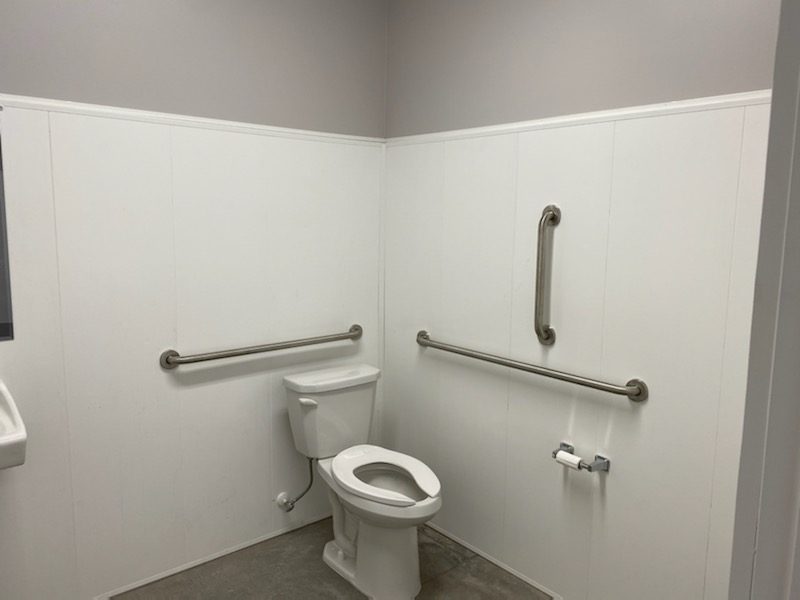
PVC wall panels for bathroom walls are designed with wet environments in mind. They don’t absorb moisture, and the panels lock together to create a smooth wall surface with fewer places for dirt and water to collect. That makes everyday cleaning a lot easier.
Why Many People Choose PVC Panels
PVC isn’t just another wall covering. It solves a lot of the problems people run into with drywall or tile.
Moisture Isn’t a Problem
Bathrooms are naturally humid spaces. Hot showers create steam, and water splashes are impossible to avoid. PVC doesn’t soak up moisture like drywall. Water stays on the surface instead of getting inside the material, which helps prevent swelling, peeling paint, and other moisture-related issues.
Cleaning Takes Less Time
Nobody enjoys scrubbing bathroom walls. PVC panels have a smooth, non-porous surface that wipes clean with everyday household cleaners. Since there are fewer joints than tiled walls, there’s also less space for grime to build up.
Mold Has Fewer Places to Grow
Mold loves damp, porous materials. PVC is made from a synthetic material that doesn’t absorb water, making it harder for mold and mildew to develop on the panel surface. Good ventilation is still important, but the wall material itself doesn’t add to the problem.
Built for Everyday Use
Bathrooms see constant use. Things get bumped, cleaning tools hit the walls, and surfaces get cleaned over and over again. PVC panels are made to handle this kind of daily wear without needing frequent touch-ups or repainting.
Installation Is Straightforward
PVC panels use a tongue-and-groove system that lets each panel fit neatly into the next one. They’re also lightweight, which makes them easier to handle during installation. In many projects, they can be installed directly over existing wall surfaces, helping reduce renovation time.
Where PVC Wall Panels Work Well
You’ll find PVC wall panels in more places than you might expect. They’re commonly used in:
- Home bathrooms
- Hotels
- Apartment buildings
- Schools
- Hospitals
- Gyms and locker rooms
- Restaurants
- Office washrooms
Anywhere moisture is part of daily operations, these panels are worth considering.
Things to Think About Before You Choose
Every bathroom is different, so it’s worth asking yourself a few questions before picking a wall material.
- Is this a full bathroom with a shower?
- Will the walls be cleaned often?
- Is humidity a daily concern?
- Do you want to avoid regular repainting or grout maintenance?
- Are you looking for something that will last with minimal upkeep?
Your answers will make it much easier to decide which material fits your space.
Why PVC Is Replacing Drywall in Many Bathrooms
Drywall has its place, but bathrooms are one of the toughest environments for it. Constant moisture can eventually lead to peeling paint, soft spots, or mold if leaks go unnoticed. Tile avoids some of those issues, but cleaning grout is an ongoing chore.
PVC bathroom wall panels offer another option. They don’t need painting, they resist moisture, and cleaning is usually much simpler. For many homeowners and commercial property owners, that means fewer repairs and less maintenance over time.
Final Thoughts
Bathroom walls deal with moisture every day, so it makes sense to choose a material that’s built for those conditions. PVC wall panels for bathroom walls offer a practical alternative to drywall and tile. They resist moisture, clean up easily, and hold up well with everyday use. Whether you’re updating a home bathroom or renovating a commercial washroom, they’re worth considering if you want a wall system that doesn’t require constant attention. Explore the Duramax website to order ASTM-certified PVC panels at factory-direct prices. Request a free quote.
Duramax PVC Panels vs FRP – Key Advantages
No Mold, No Rot: Unlike FRP, Duramax PVC Panels won’t support mold or mildew growth.
Easy Installation: Interlocking design means no backer boards, no glue, and no extra labor.
100% Waterproof: PVC panels are completely water-resistant, ideal for high-moisture areas.
Low Maintenance: No peeling, bubbling, or cracking—just wipe clean with ease.
Cost-Effective Over Time: No need for replacement or repainting like with FRP.
Certified Performance You Can Trust

ASTM Certified: Tested for strength, durability, and environmental performance.

FDA-Compliant: Safe for use in food-processing and sanitary environments.

Class A Fire-Rated: Designed with fire safety as a top priority.

Made in the USA: Quality assured, with faster delivery and dependable service.
Related Blogs
- Know How PVC Wall Panels Make Bathroom Wall Renovation Simple And ...
- PVC Basement Wall Panels Are Professional, Inexpensive, & Bett...
- Watch out For the Proven And Stunning Wall Panels For Bathroom Wall...
- Watch Out For The Revolutionary PVC Wall Panels For Bathroom Walls ...
- Elevating Your Bathroom Experience with PVC Wall Panels
Recent Blogs
- Does Moisture-Proof Wall Paneling Reduce Repair and Maintenance Costs?
- How Do Garage PVC Wall Panels Compare To Traditional Wall Panels?
- What Are The Hidden Disadvantages Of FRP Wall Panels?
- FRP vs PVC Panels-Which is the Right Fit for Modern Commercial Kit...
- How Nina’s Garage Makeover With Commercial PVC Wall Panels Helped R...
Place your order – Request for a quote:
Duramax panels are ASTM-certified, FDA-compliant, quality-checked, Class A fire-rated per ASTM E84, and chemical-resistant.
As a trusted wall panel supplier in the USA, Duramax makes it easy to get started. Request a free sample, book a free consultation, or get your quote today.
Have a question? Tell us how we can help.
Sign up for updates and news